Nuestro Impacto en Video

Gran Vía Verde is a bioregional learning and resilience hub connecting rural farming communities of South Cauca, Colombia.
We support women-led, indigenous, and Afro-Colombian community associations by strengthening local food systems and awareness of ecological stewardship. Started in 2018, it is a long-term commitment to resilience — grounded in land, knowledge, and relationships.
Our work responds to decades of social disruption and intensifying environmental pressures, like watershed degradation and drought. We strengthen regenerative farming and agroforestry systems to restore ecological function and social structure.
Communities
Rural Farmers
Trees Planted
Total Kg. of fruit harvested
Our actions on the ground
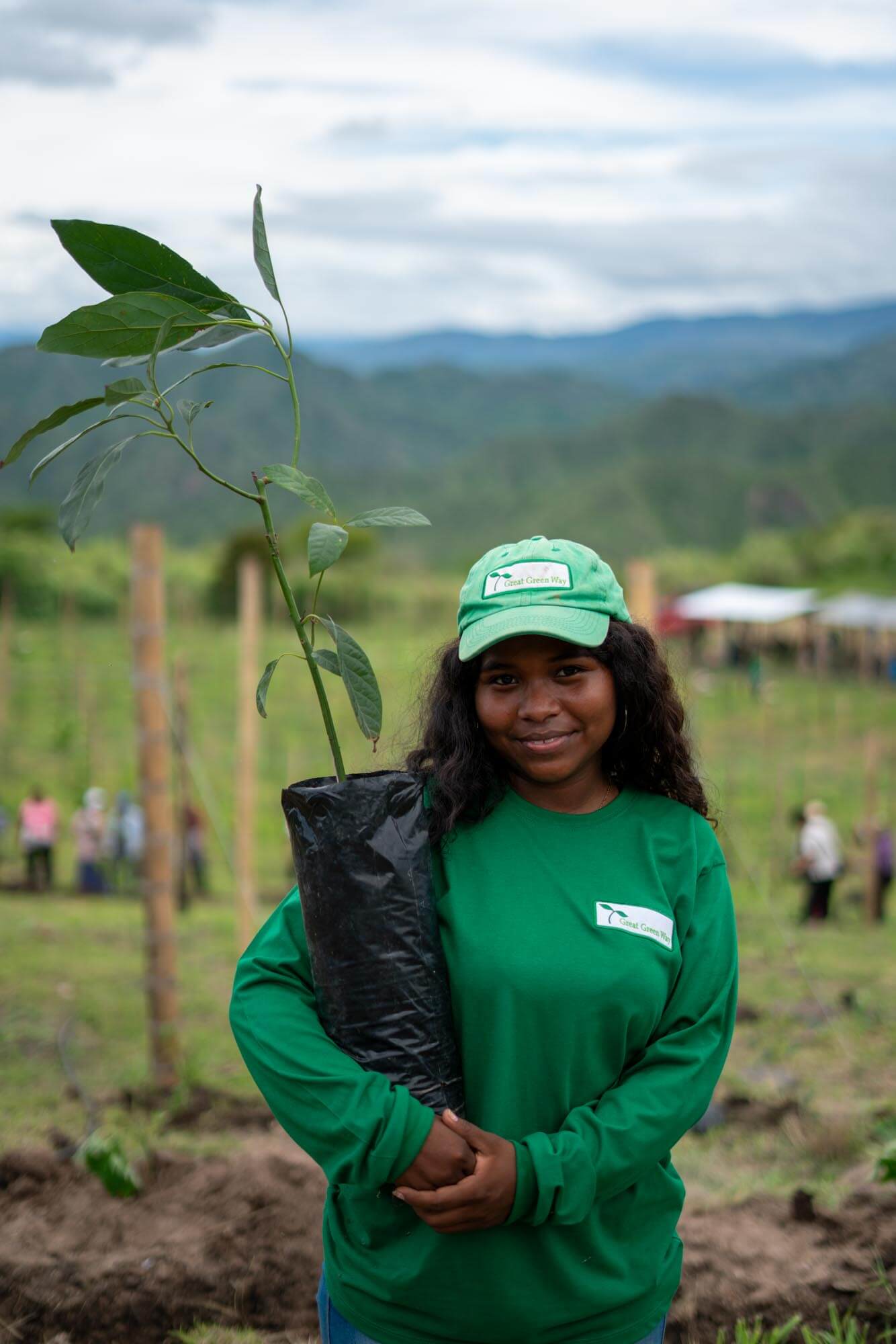
Our work supports women, indigenous, and Afro-Colombian communities through:
Gran Via Verde is a collective work of weaving — weaving soil and water back into balance, weaving women’s leadership into the heart of rural economies, weaving trust across territories shaped by conflict. Through this shared effort, resilience takes root in the land and in the community.
A land of stark contrasts
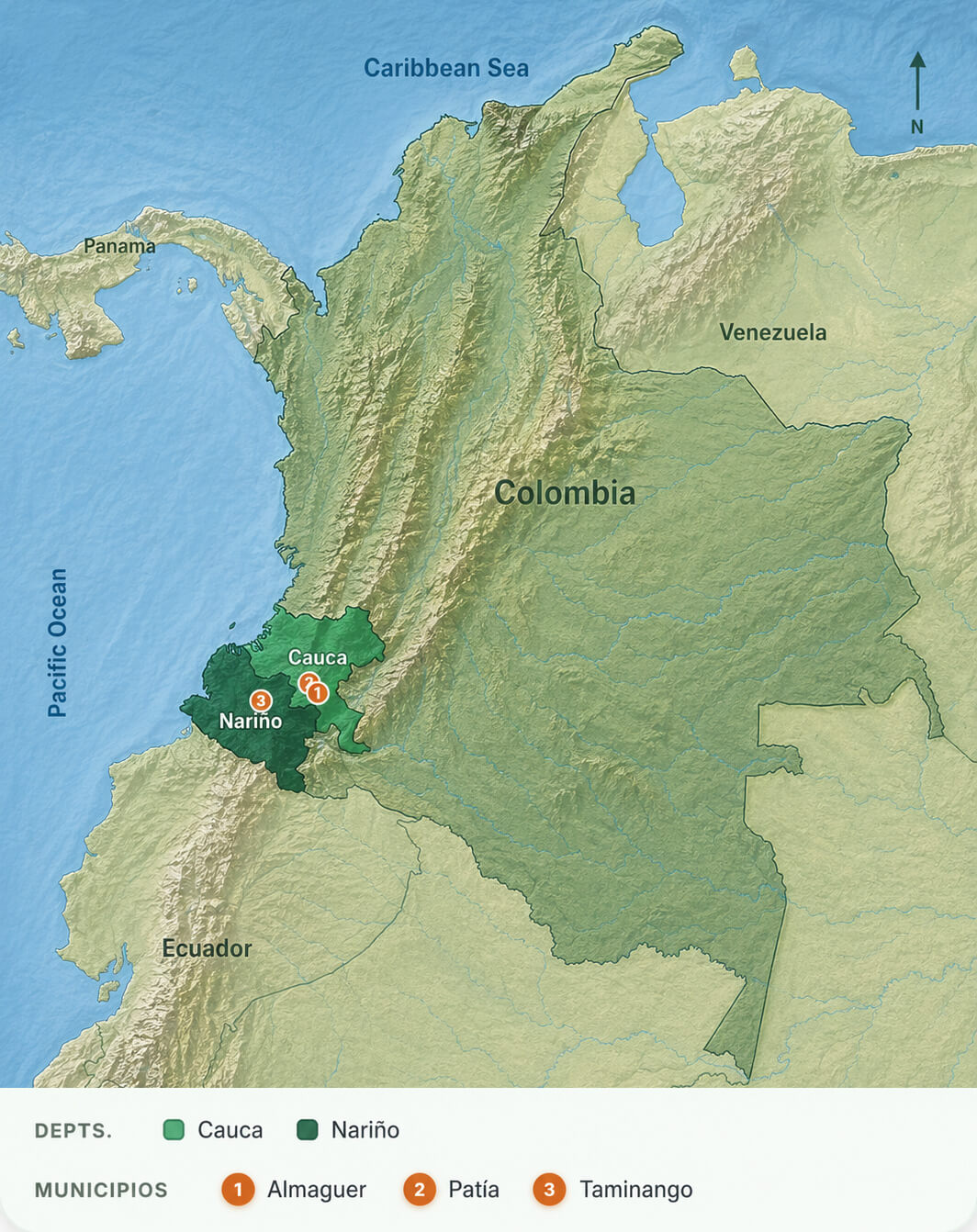
The Colombian Massif in southern Colombia serves as the continent's primary watershed.
However, more than half of the natural vegetation cover has been transformed or degraded, weakening watershed stability and increasing vulnerability to drought. Water supply has become one of the most urgent challenges in the region. In addition, this region has been the epicenter of Colombia's armed conflict for decades, leading to displacement and systemic marginalization of the communities.
By supporting indigenous, Afro-Colombian, and peasant women, we are investing in peacebuilding through ecological restoration.
A collective effort across the years
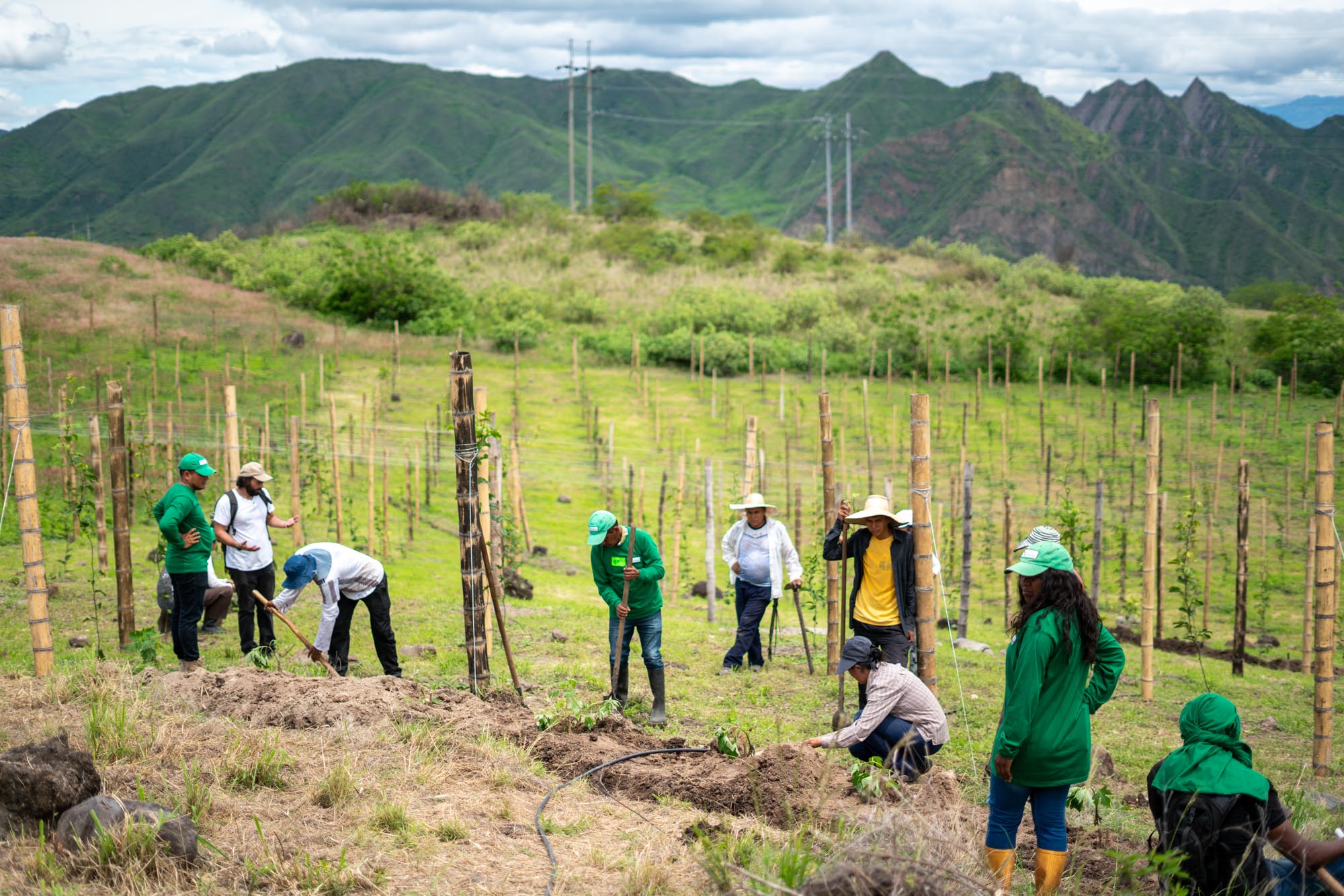
Ensuring ongoing training and mentorship in regenerative agriculture practices and leadership education to empower local groups for long-term sustainability.
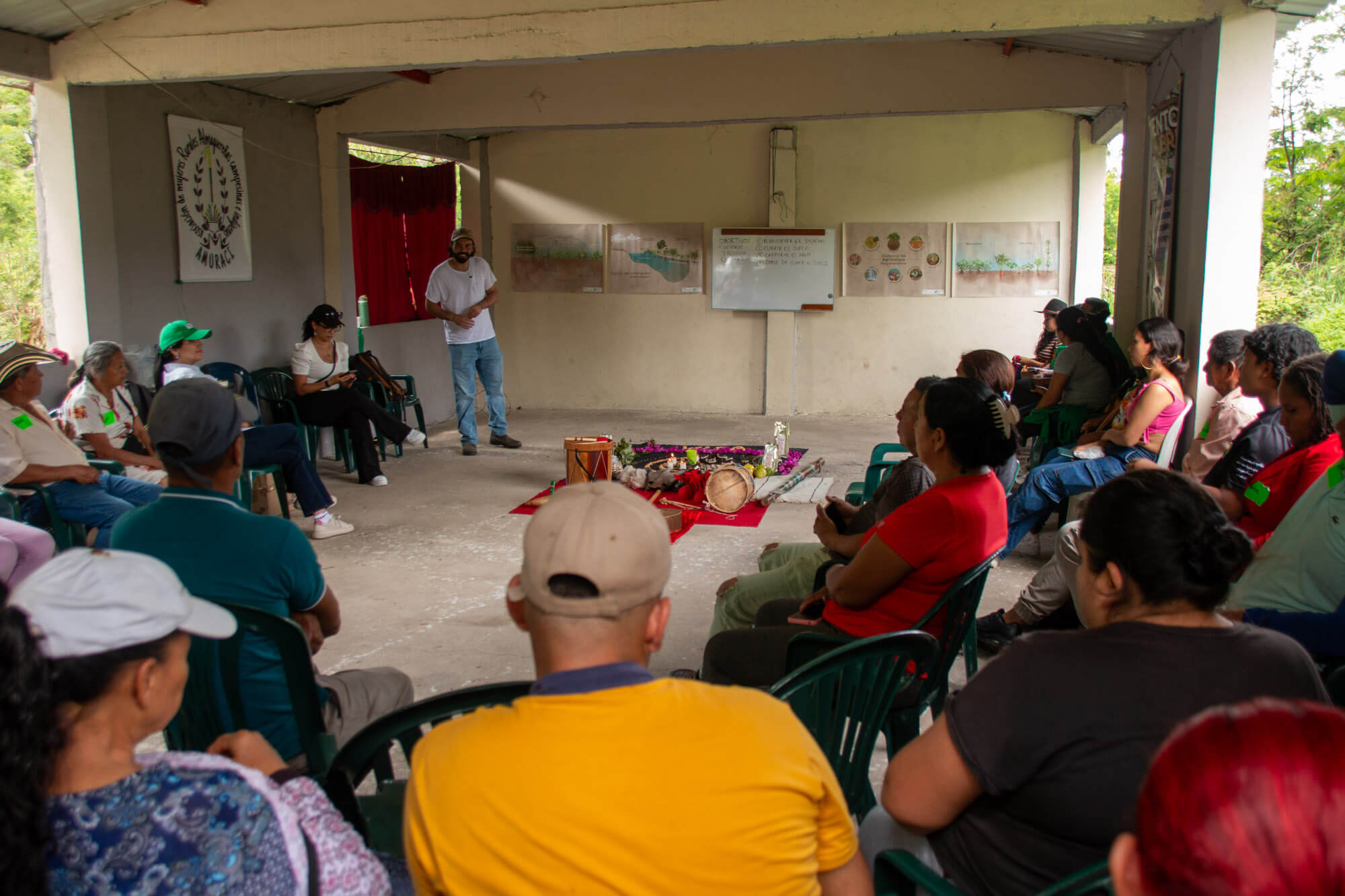
Further expansion with ASOVIENTOLIBRE and hosting the Regenerative Master Class Conference.
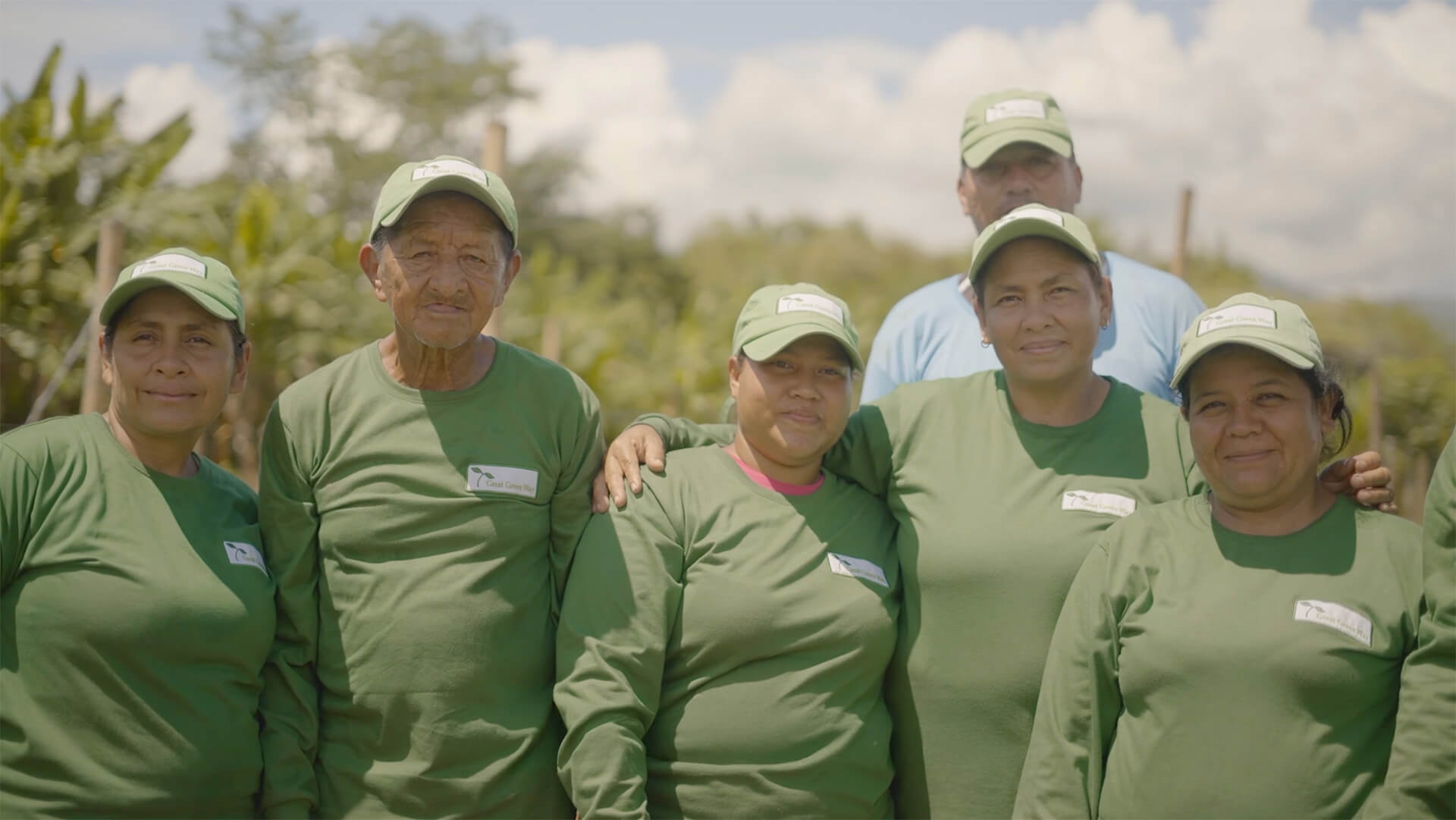
Expanding the network with ASOPATIANOS & ASOMUJERESJIREH.
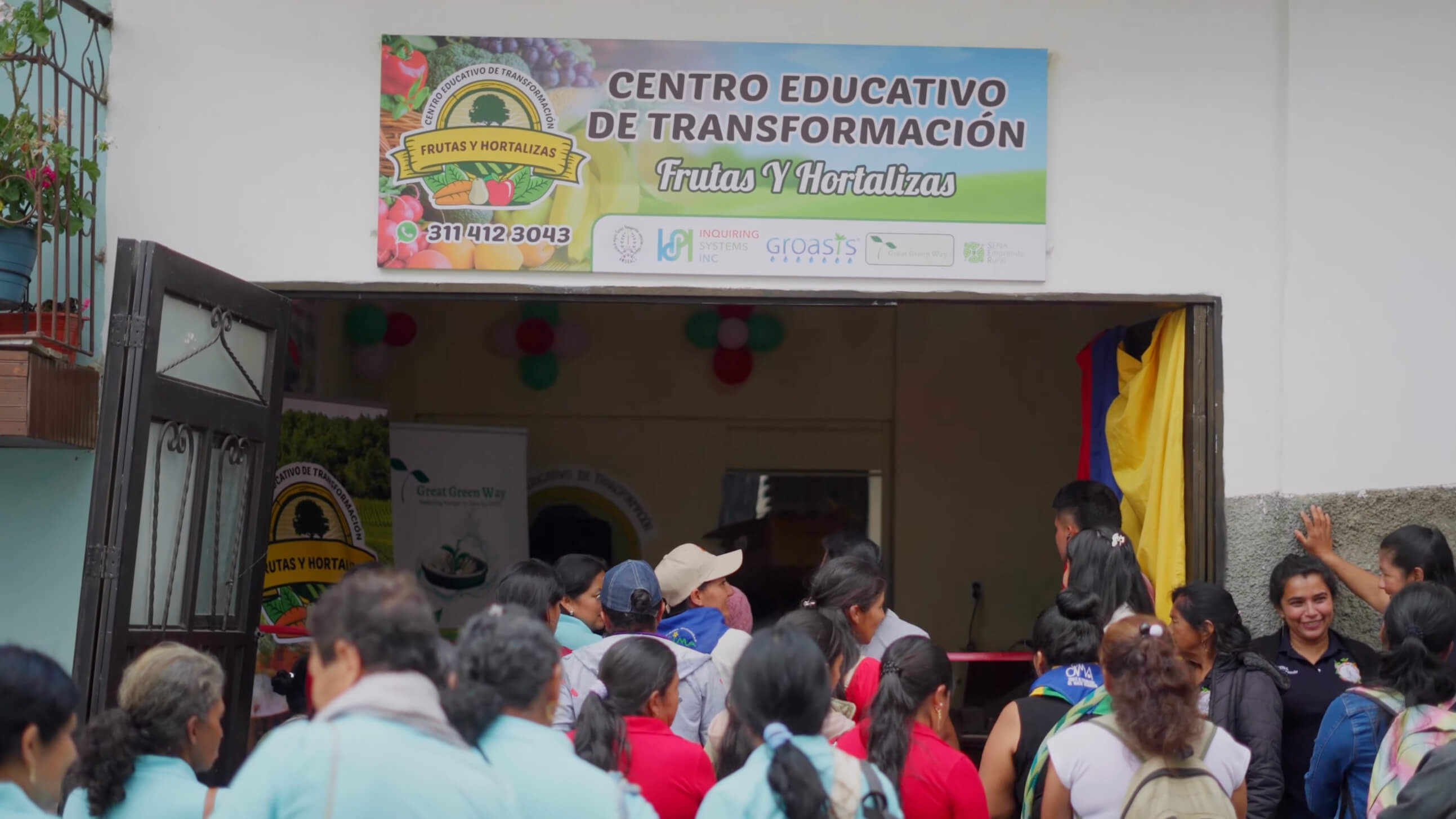
Establishment of the Center for Fruit Transformation and creation of nurseries for plant propagation.
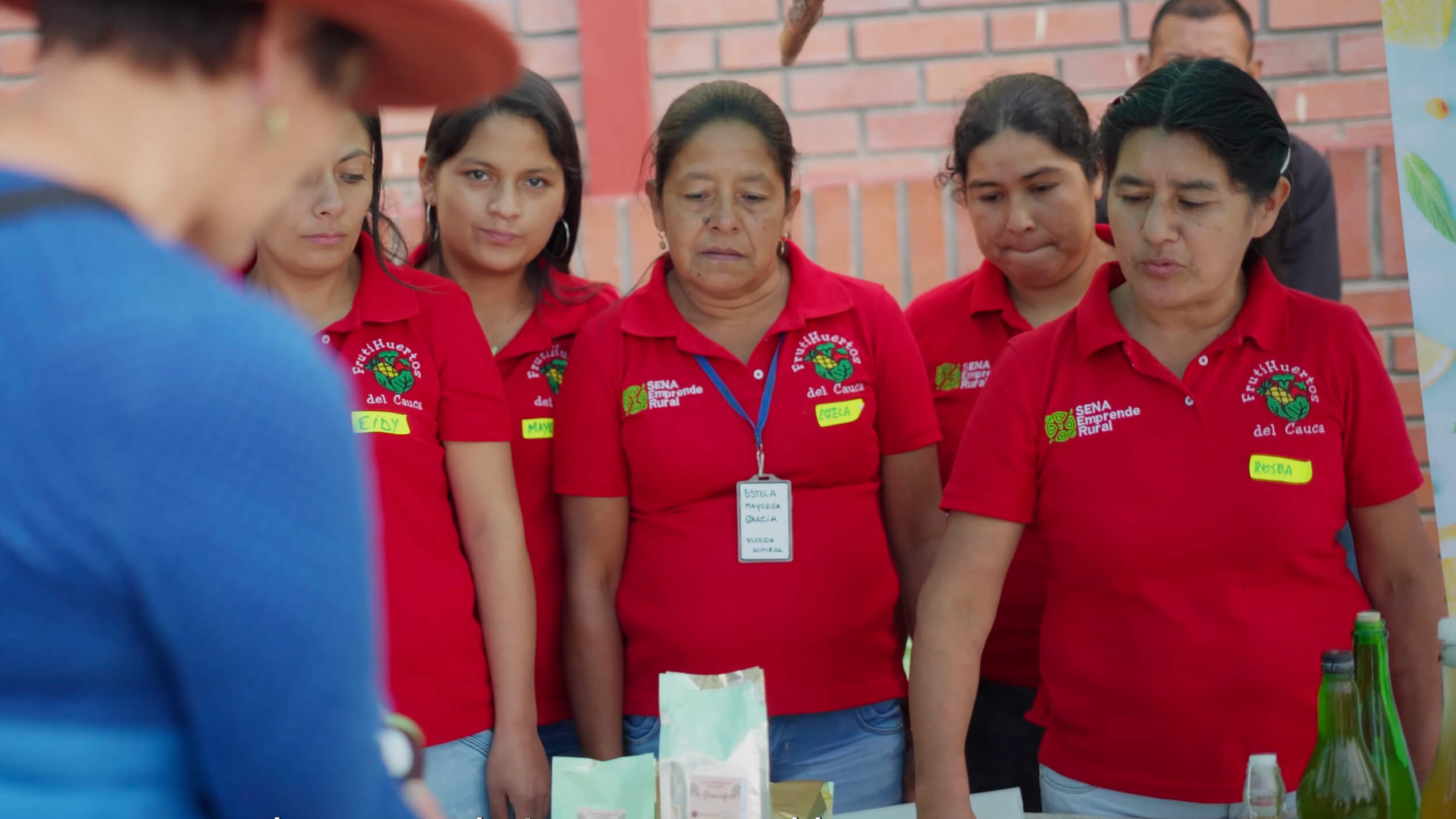
Supporting women-led small farms through knowledge transfer and collaboration with SENA.
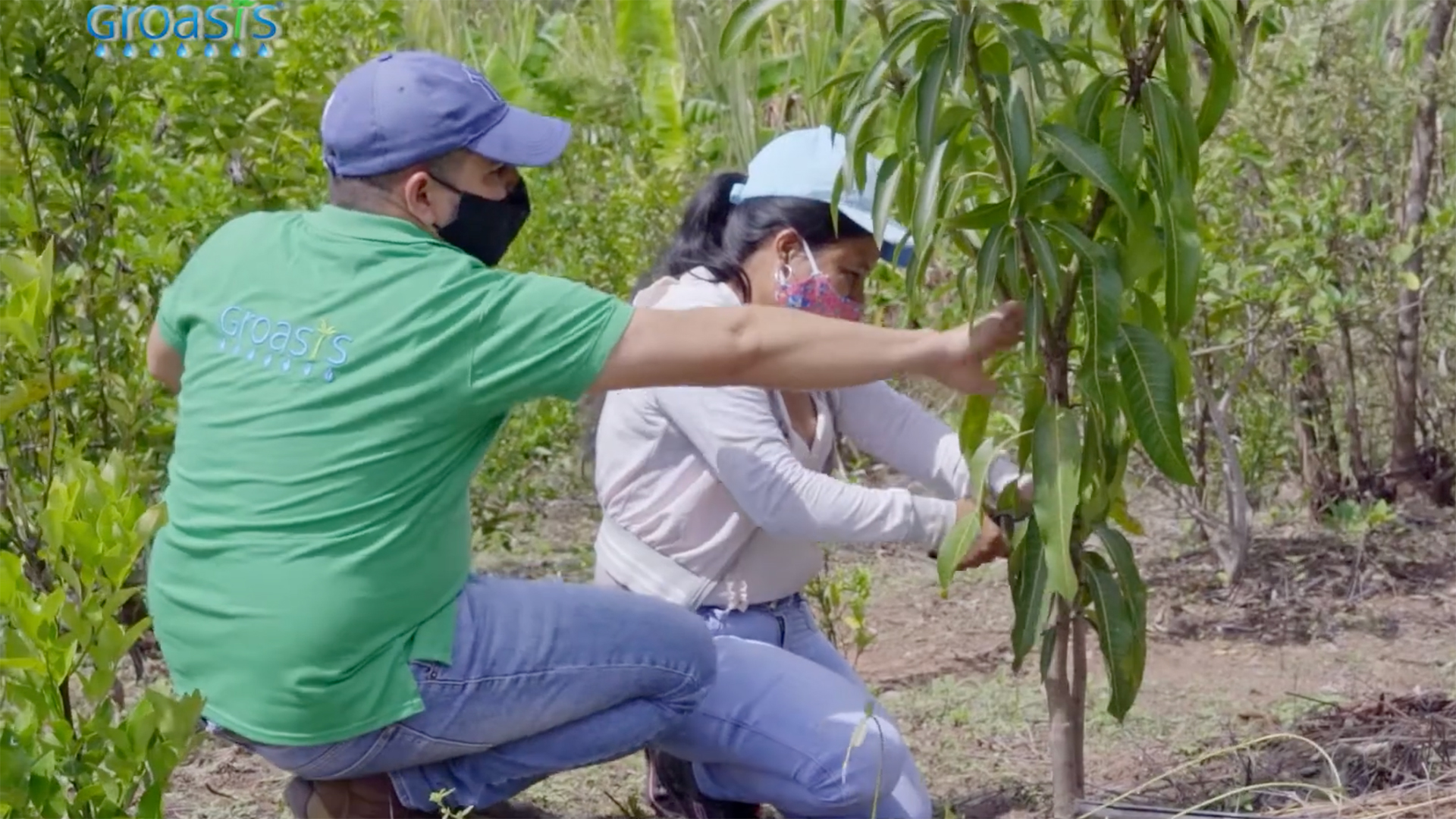
Supporting women-led small farms with actionable models.
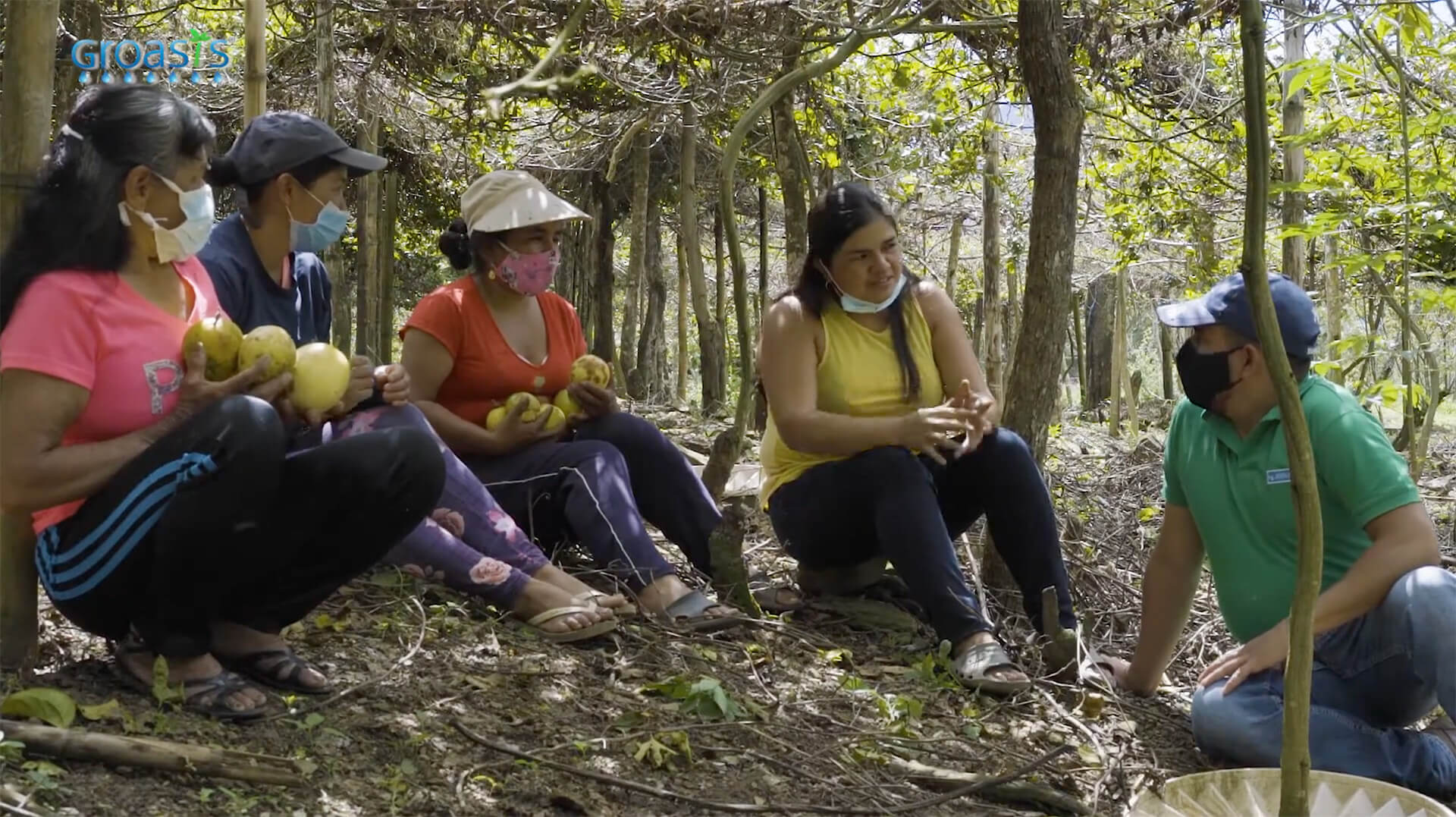
With the Association of Rural Women of Almaguer, Peasant and Indigenous Women (AMURACI).
Join us in Weaving Resilience
2026 Project and Planting Cycle* Objectives:
*May 2026–May 2027
Donate NowYour gift, however large or small, helps rural communities to build peace and resiliency.
Our network of regenerative support
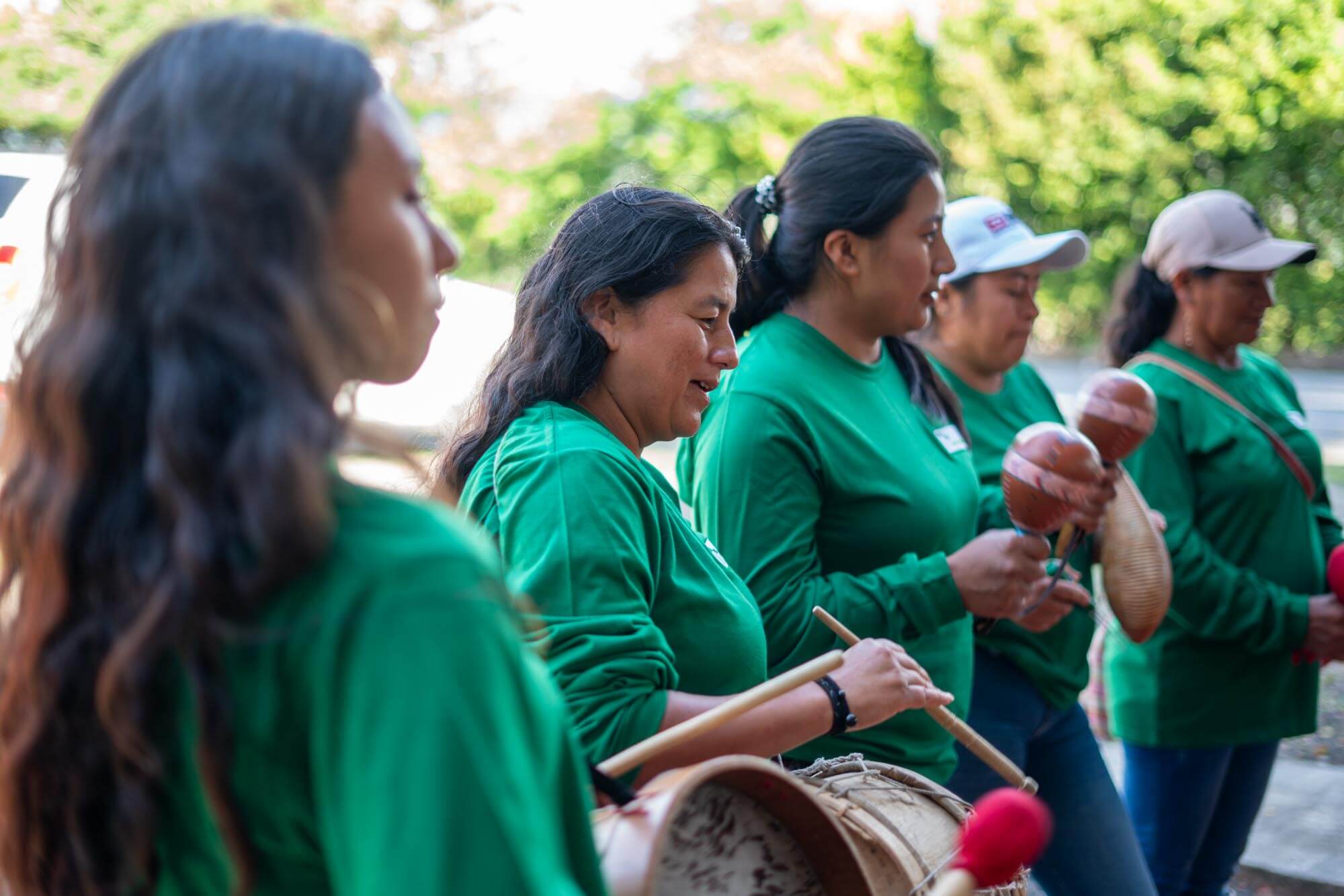
Association of Rural Women of Almaguer, Peasant and Indigenous Women.
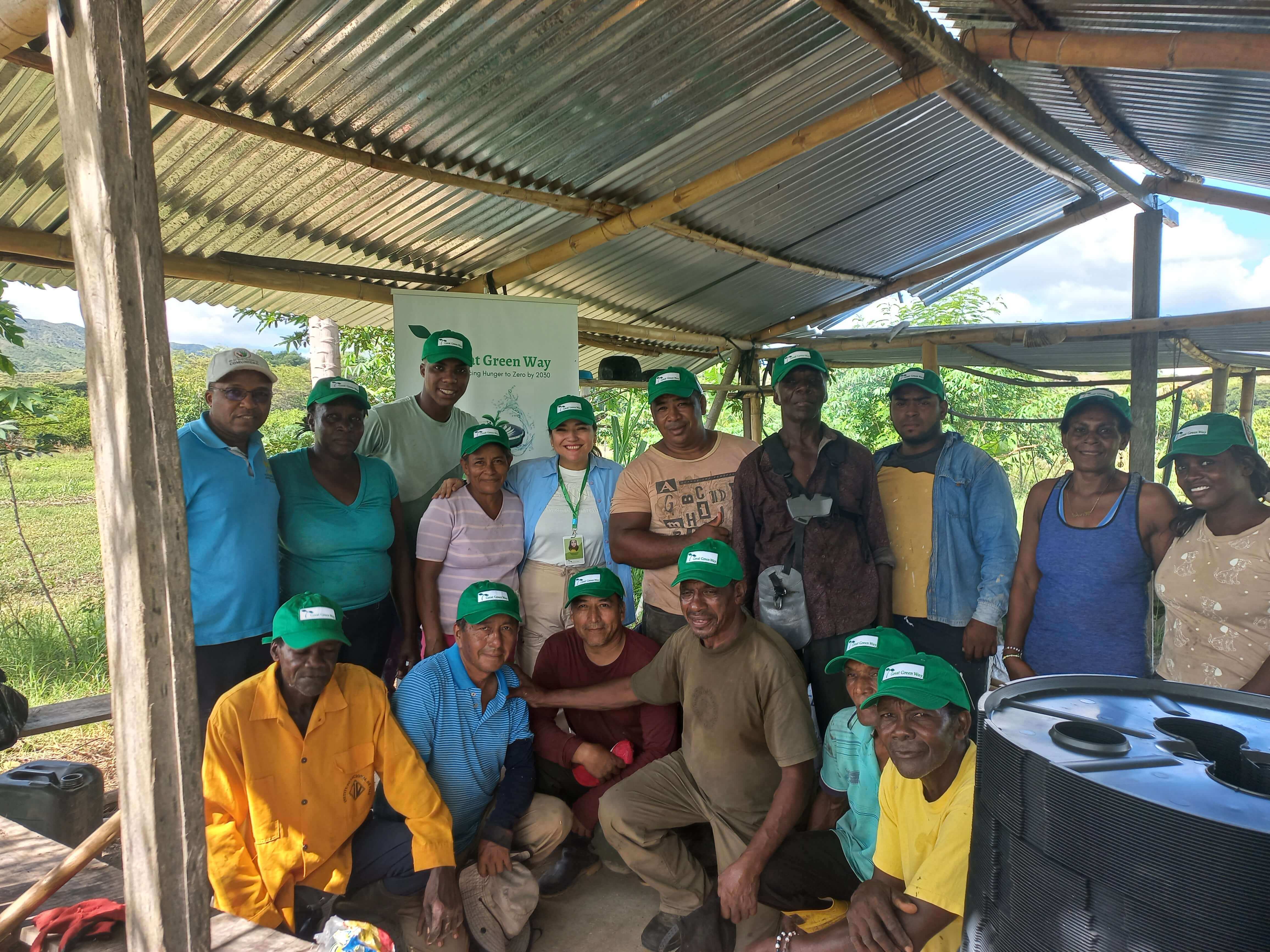
Expanding our bioregional reach to strengthen rural communities.
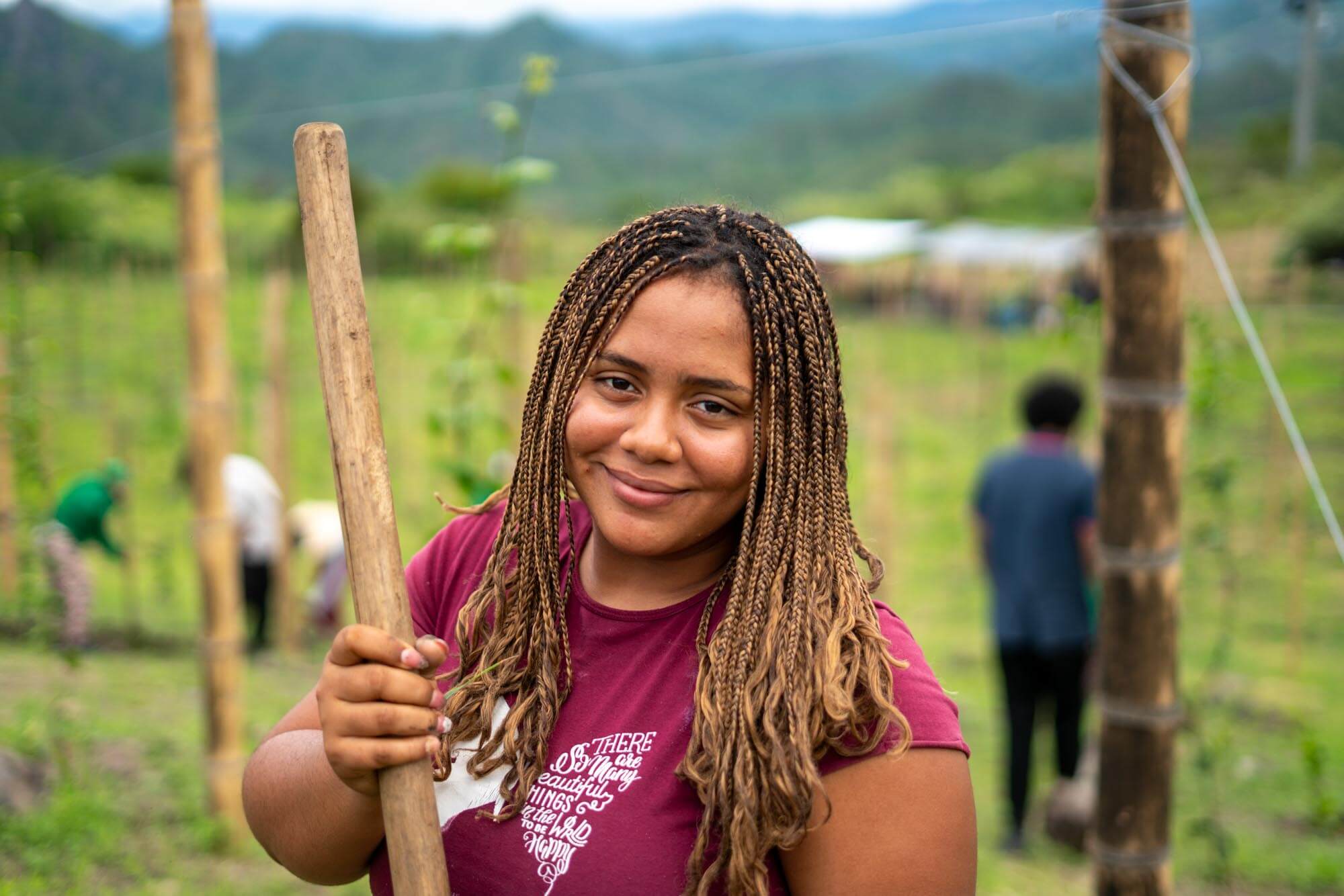
Fostering women's leadership in the heart of rural economies.
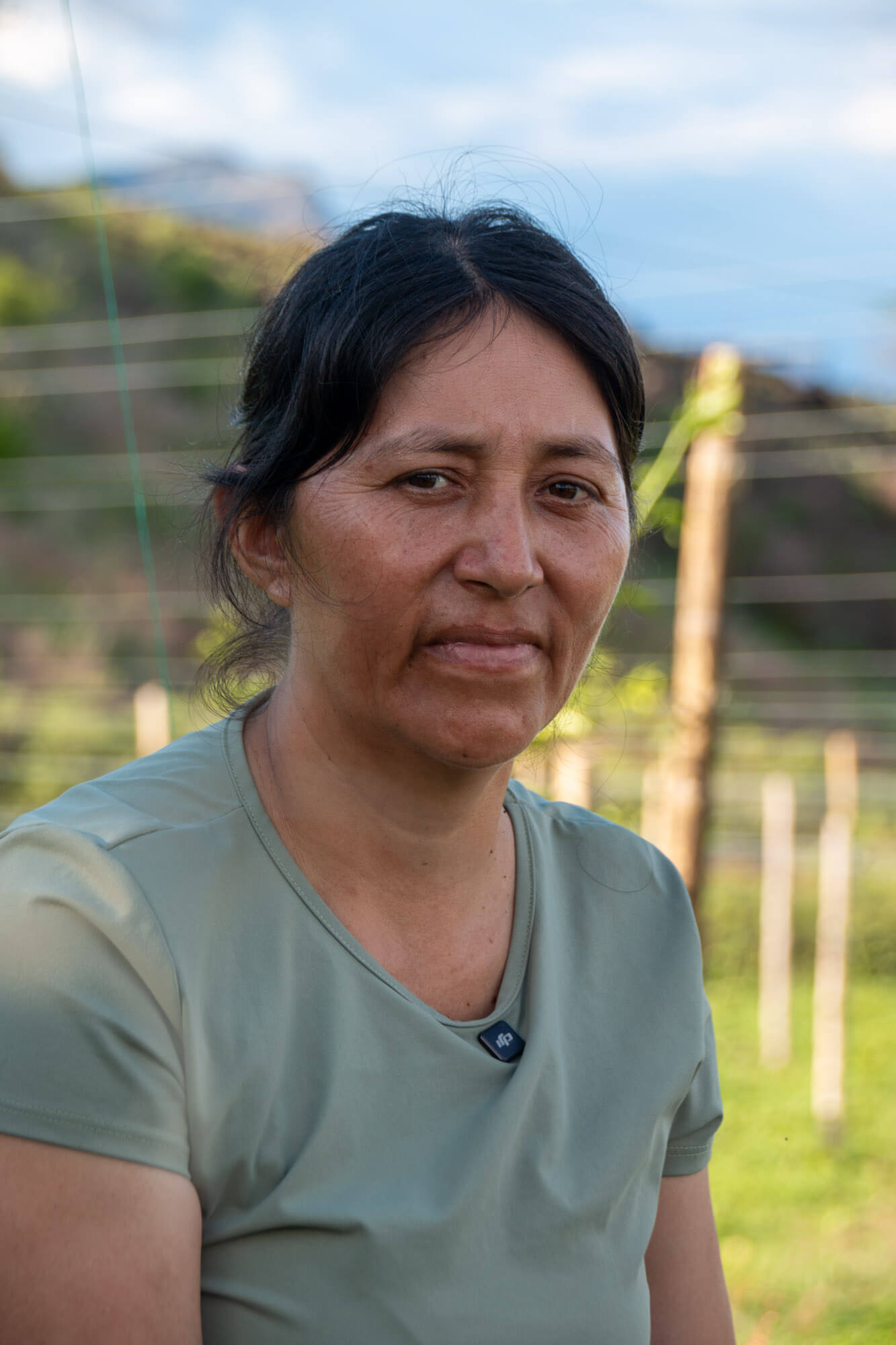
Building agroecological corridors to restore biodiversity.
Open Source knowledge platform to create community resilience through regenerative farming practices.
Regenerative agriculture goes beyond sustainability to actively restore degraded ecosystems. By rebuilding soil organic matter, increasing biodiversity, and improving water cycles, these practices sequester carbon, prevent erosion, and enhance food security while strengthening community resilience.

Windbreaks are rows of trees and shrubs planted strategically to protect crops, soil, and livestock from wind erosion. By creating a physical barrier, they reduce wind speed, conserve moisture, improve microclimate conditions, and provide habitat for pollinators and beneficial insects that enhance agricultural productivity.

Efficient water capture, storage, and distribution is essential in contexts of drought and climate variability. Techniques such as infiltration trenches, contour lines, swales, and systems like the Groasis Waterboxx® help maximize every drop of rain available.

Understanding the water cycle is essential for regenerative agriculture. Water evaporates from oceans, lakes, and soil, forms clouds, and returns as precipitation. In degraded landscapes, this cycle is disrupted—less water infiltrates the soil, more runs off, and evaporation increases. Regenerative practices restore this balance by increasing organic matter, cover crops, and trees that capture, store, and release water slowly, recharging aquifers and maintaining stream flow during dry periods.

Polyculture is an agricultural technique involving the simultaneous cultivation of multiple plant species on the same plot, in contrast to monocultures. This practice mimics natural ecosystem diversity, increasing resilience against pests, diseases, and climate variability. Favorable crop associations improve nutrient availability, optimize water usage, and reduce soil erosion while strengthening rural community food security.

A food forest is an agricultural system inspired by natural ecosystems, designed to produce food sustainably through permaculture and agroforestry principles. This multi-stratified system combines fruit trees, shrubs, perennial herbs, climbers, and tubers that work in synergy—legumes fix nitrogen, cover crops protect the soil, and different layers maximize space and sunlight use. Once established, the food forest self-regulates, requiring minimal maintenance while providing continuous production of fruits, nuts, herbs, and other foods year-round, while regenerating soil, increasing biodiversity, and sequestering carbon.

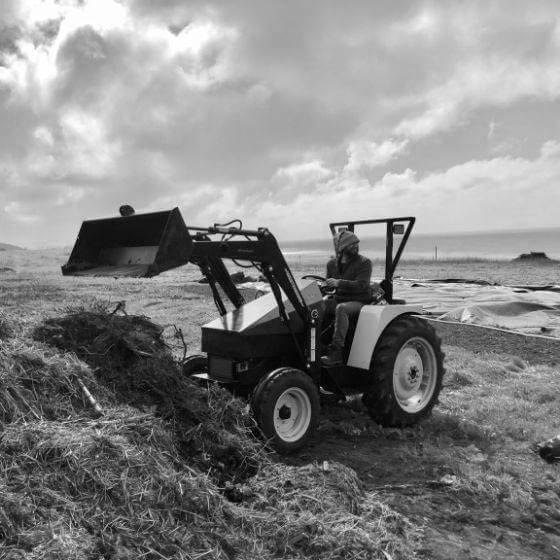
Composting is a fundamental practice of regenerative agriculture that transforms organic waste—kitchen scraps, crop residues, animal manure, and plant materials—into a rich soil amendment. Through the activity of microorganisms, organic matter decomposes under controlled conditions, producing compost that replenishes soil fertility and structure. Different methods suit various scales: hot composting accelerates decomposition through regular turning; cold composting requires minimal intervention over longer periods; and vermicomposting uses earthworms to produce nutrient-rich castings. Compost improves soil's water-holding capacity, reduces erosion, suppresses plant diseases, and decreases reliance on synthetic fertilizers. Most importantly, it sequesters carbon, diverts organic waste from landfills reducing methane emissions, and closes the nutrient loop within local food systems, strengthening community resilience and food security.

Landscape planning is the strategic starting point of any successful regenerative agriculture process. Transforming a conventional farm into a regenerative, resilient, and highly productive operation requires time, vision, and a deep understanding of the land. This process integrates all the concepts and elements learned—windbreaks, infiltration swales, polycultures, food forests, and composting—into a coherent design that respects the natural cycles of water, soil, and biodiversity. Planning includes designing rotational grazing zones, complex productive systems, and ecological corridors, ensuring each element serves multiple functions so that the whole is greater than the sum of its parts. With patience and observation, the regenerative farmer transforms the landscape into a living system that continuously produces abundance while restoring local ecosystems.

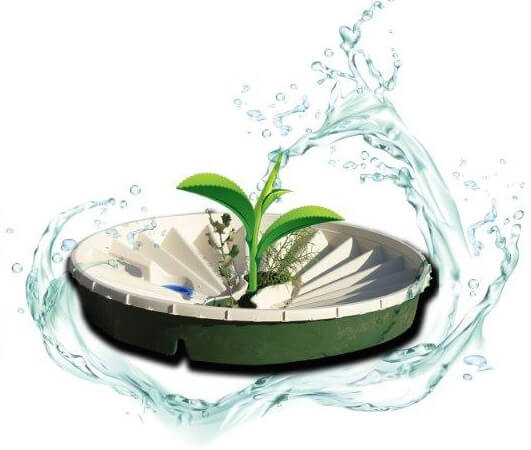
The Waterboxx® is the ideal and sustainable alternative to drip irrigation. It uses 90% less water than conventional irrigation methods and boasts a 90% plant survival rate.
It acts as a smart incubator, creating a pleasant microclimate for seedling development despite inclement weather or steep terrain.
Less Water Usage
Plant Survival Rate
Reusable Capacity
Units deployed
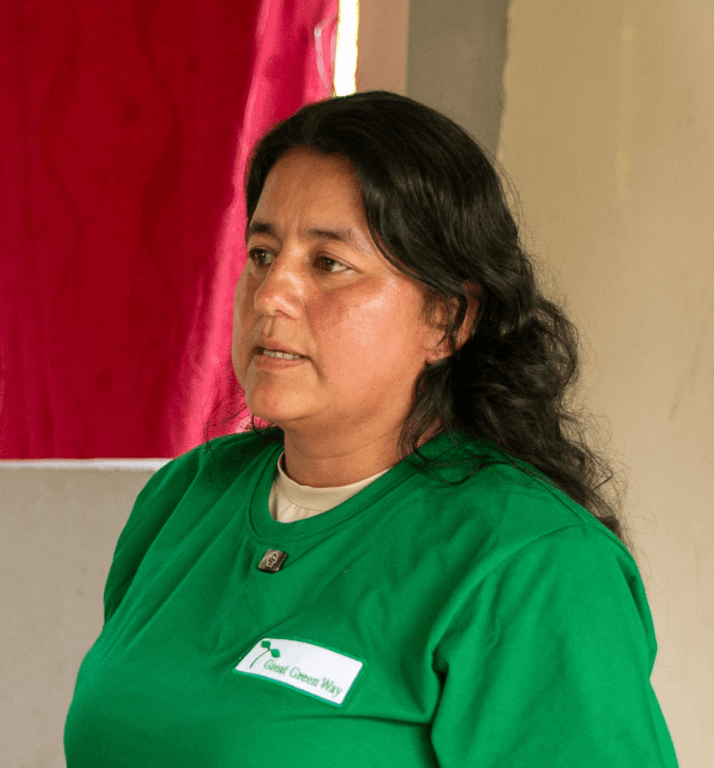
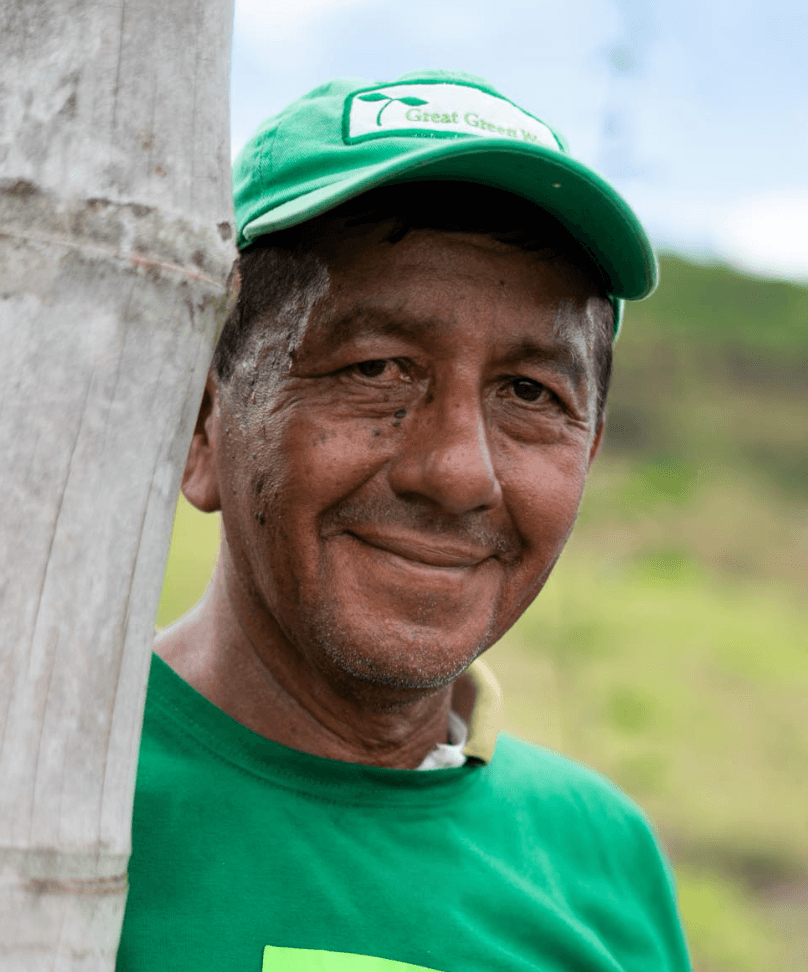

The people behind Gran Vía Verde






Organizations that make this work possible